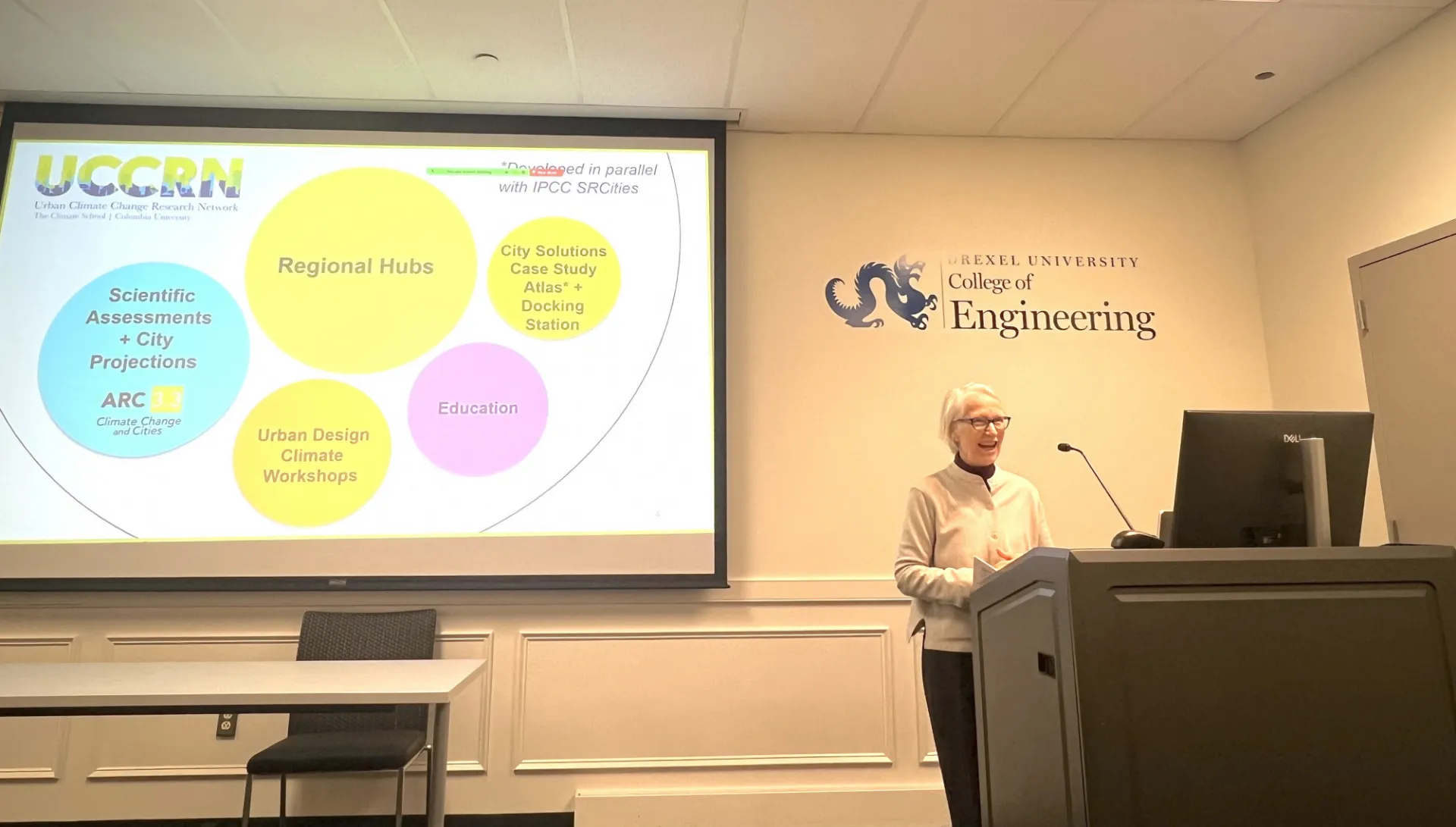
Image Carousel with 3 slides
A carousel is a rotating set of images. Use the previous and next buttons to change the displayed slide
-
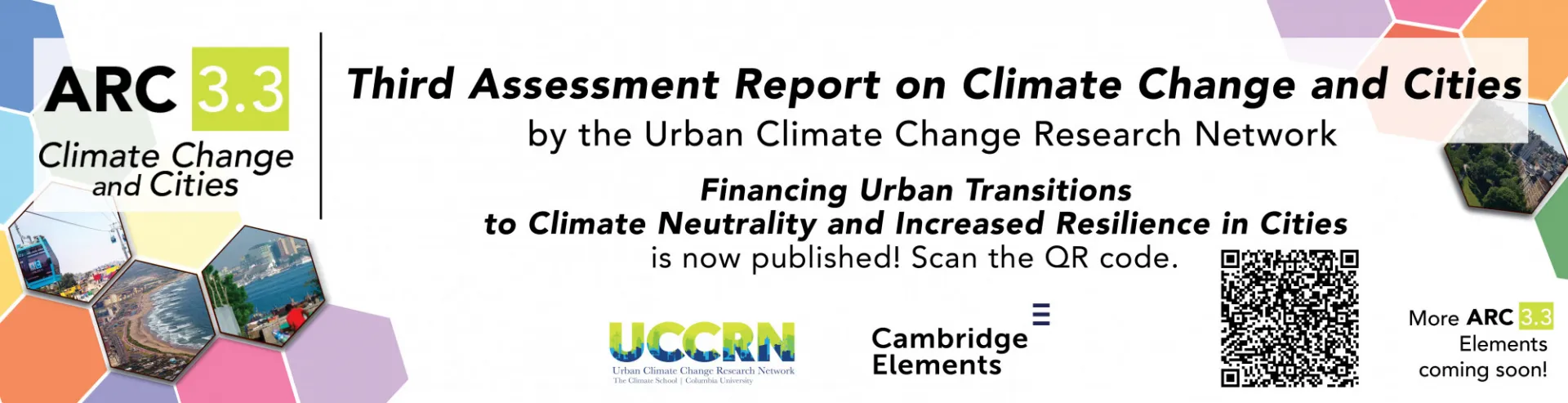
Slide 1: Third Assessment Report on Climate Change and Cities
-
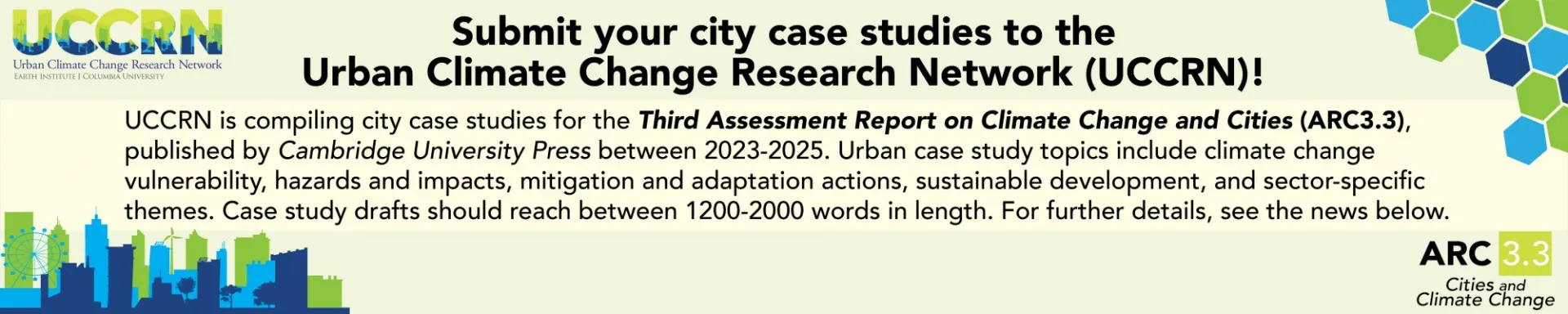
Slide 2: Submit your city case studies!
-
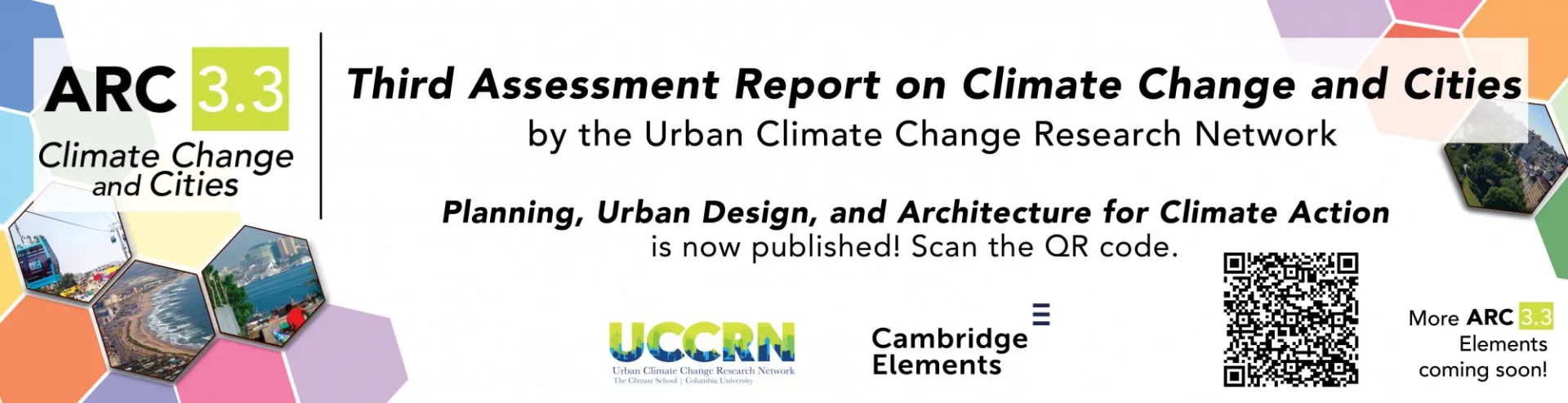
Slide 3: Third Assessment Report on Climate Change and Cities coming soon!
Active Research Projects
Third Assessment Report on Climate Change and Cities (ARC3.3)
Elements in Climate Change and Cities – published in collaboration with Cambridge University Press – provides readers with urban climate change knowledge, tools, and case studies to heighten opportunities for sustainability and resilience in cities worldwide. This twelve-publication series forms UCCRN’s Third Assessment Report on Climate Change and Cities (ARC3.3), building on the preceding ARC3.1 (2011) and ARC3.2 (2018).
City Solutions Case Study Atlas (City CSA)
UCCRN's City Solutions Case Study Atlas (City CSA) is an accessible database of recent and current climate change adaptation and mitigation strategies that cities globally are implementing within their local contexts. Case studies included in the UCCRN City CSA pay special attention to solutions-based projects and initiatives in urban and metropolitan settings. Case studies are reviewed by experts, searchable by keywords and data map visualization, and focused on distinct solutions across topics like finance, governance, and nature-based solutions.
News
UCCRN Hosts Launch Event for the ARC3.3 “Financing Urban Transitions to Climate Neutrality and Increased Resilience in Cities” Element
The 2026 launch event included discussions of the Element's main findings and climate financing opportunities for cities worldwide.
UCCRN Presents at the Innovate 4 Cities Conference in Nairobi, Kenya
From June 21st through June 24th, the Innovate 4 Cities conference brought together city networks, regional policymakers, international scientists, and planners in Nairobi to strengthen catalyzing actions needed for scaling up climate solutions. UCCRN representatives presented at this conference, sharing their work with a diverse audience and gleaning key themes for future work.
Reflections on the AIANY Launch of Planning, Urban Design, and Architecture for Climate Action
On April 15th, architects, planners, scientists,researchers, and city officials gathered at the American Institute for Architecture’s headquarters at the NYC Center for Architecture to celebrate the release of UCCRN’s Third Assessment on Planning, Urban Design, and Architecture for Climate Action (PAD).
Photos

Jeffrey Raven (center) being elected to l’Académie d’architecture of France
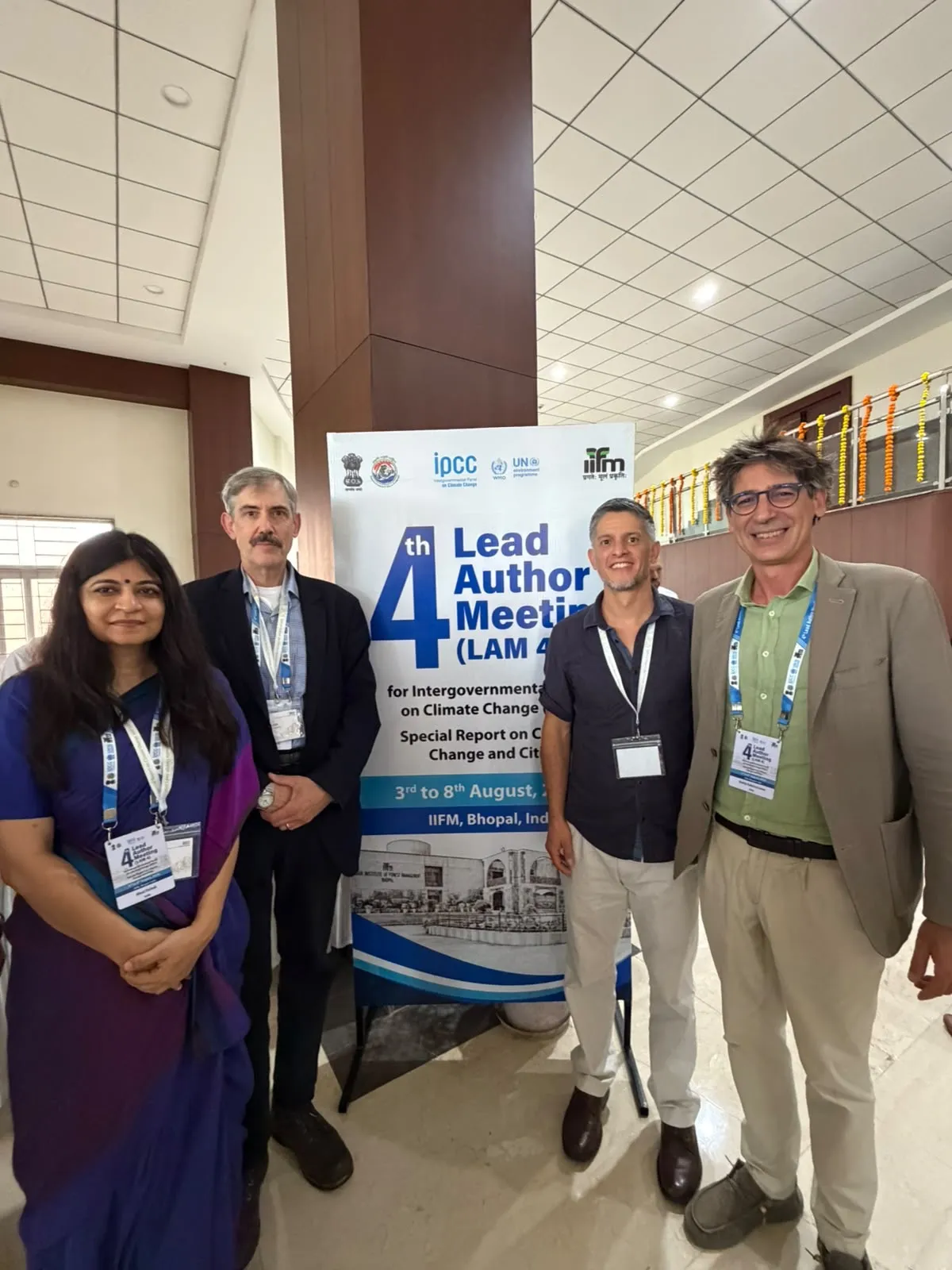
UCCRN Leaders at IPCC SR Cities Meeting
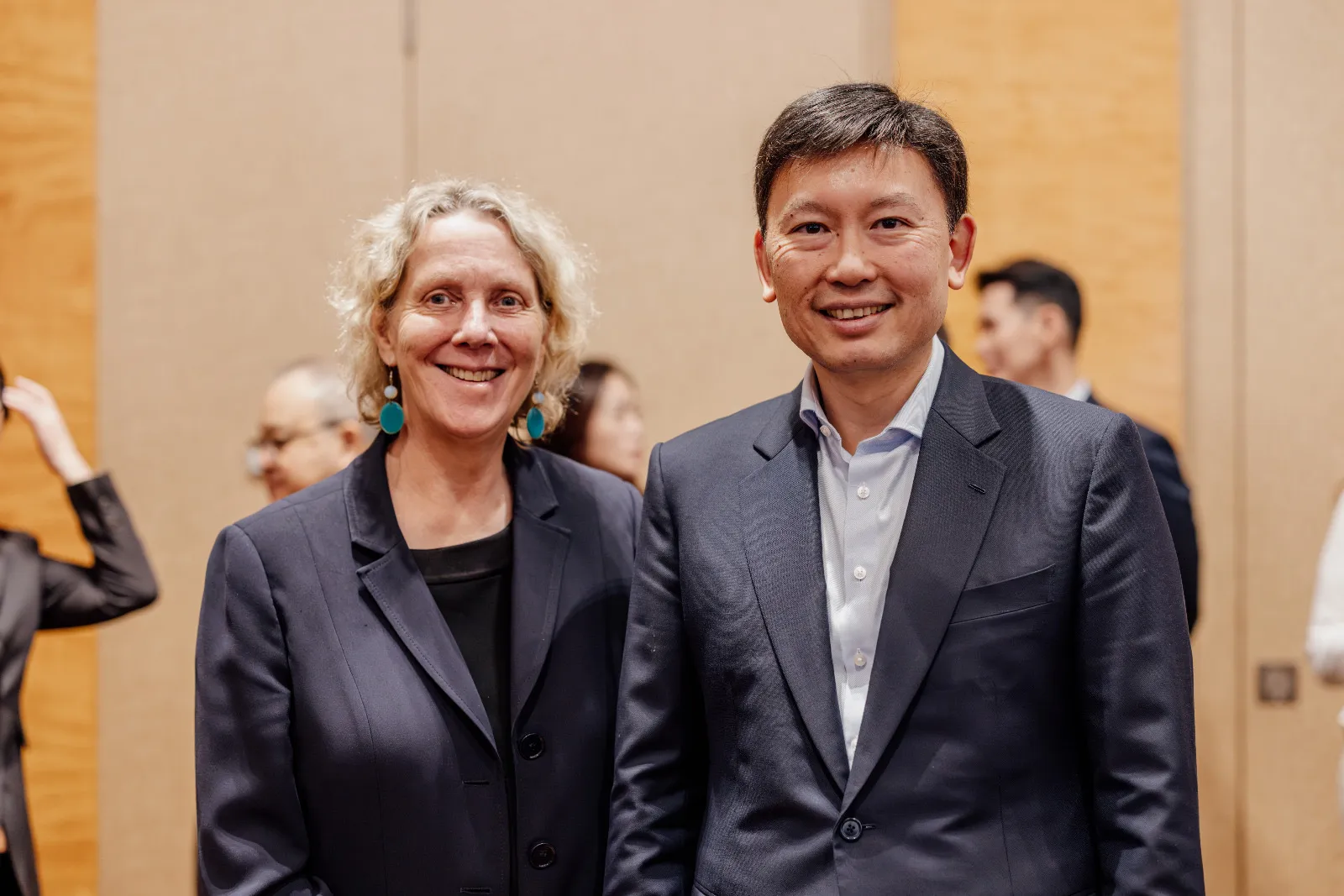
UCCRN Hub Director, Barbara Norman, and Singapore Minister Chee Hong Tat